Every casino game is built with a mathematical advantage for the house. Knowing how it works is the best protection against unrealistic expectations.
Key points
- The house edge is the average share of each bet the casino expects to keep over the long run.
- Single-zero roulette has a house edge of about 2.7%; double-zero roulette has about 5.26%.
- Betting systems change the pattern of wins and losses, but not the house edge.
- The more you bet in total, the more the house edge works against you.
- Treat any money you gamble as the cost of entertainment, not an investment.
Casinos don’t need luck to make money. Every game is designed with a built-in advantage, called the house edge, which means that over many bets the casino keeps a predictable share of what’s staked.
What the house edge means
The house edge is the average percentage of each bet the casino expects to keep. If a game has a 2.7% house edge, the casino expects to keep about £2.70 of every £100 staked over the long run.
In the short term, anything can happen. Over many bets, the average wins out.
Roulette: a clear example
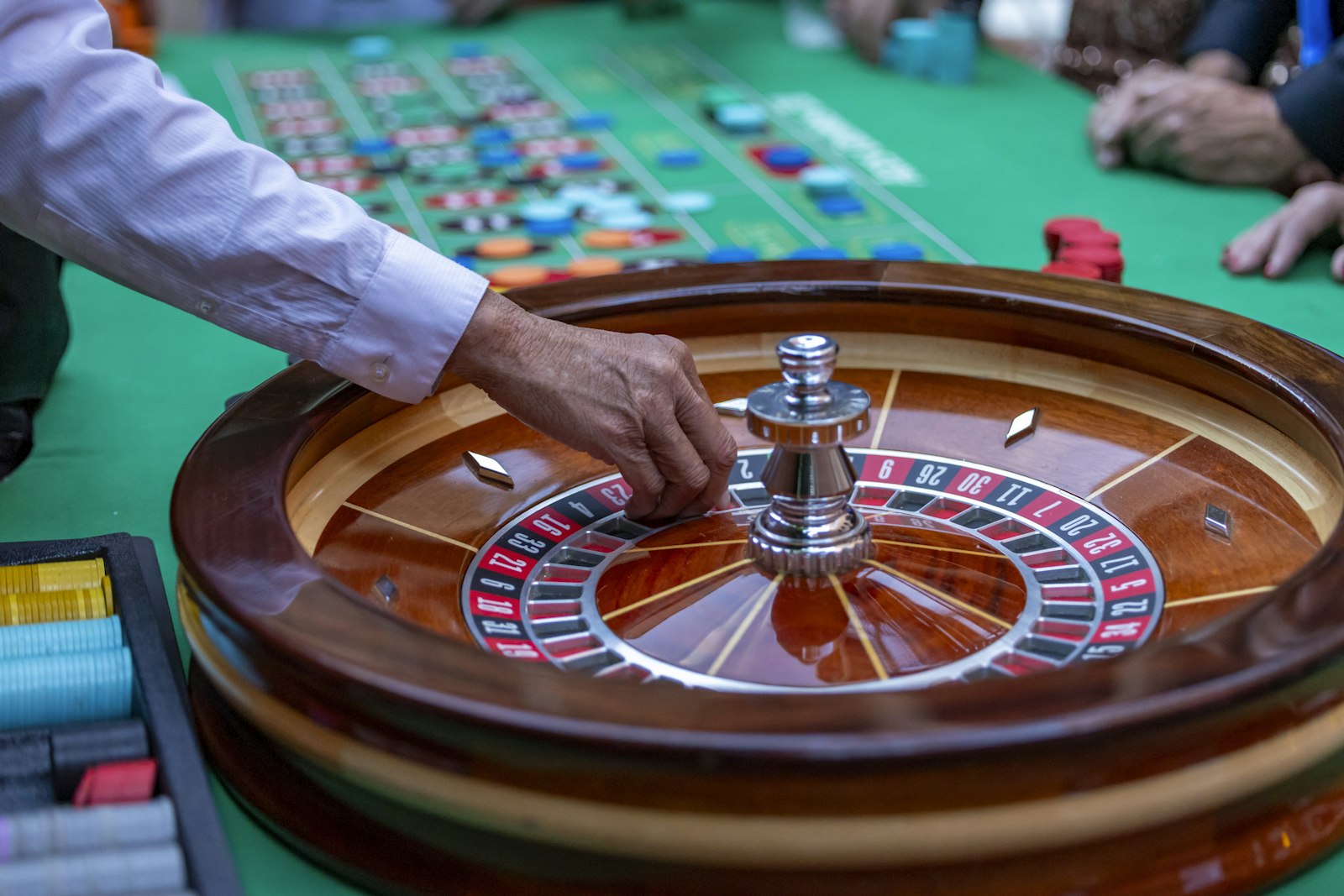
A single-zero (European) roulette wheel has 37 pockets: 1 to 36 and a single zero. A bet on one number pays 35 to 1, but the true odds are 36 to 1. That small gap creates a house edge of about 2.7%.
A double-zero (American) wheel adds a second zero, making 38 pockets, which raises the house edge to about 5.26% on most bets.
| Game | Approximate house edge |
|---|---|
| Single-zero roulette | 2.7% |
| Double-zero roulette | 5.26% |
| Slots and other games | Shown as RTP in the game’s information |
Other games
- Blackjack: the edge depends on the table rules and on how well the player plays. It’s still always in the casino’s favour.
- Slots: the edge is shown indirectly through the return to player (RTP); see our guide to how online slots work.
- Side bets and novelty bets often have higher edges than the main game.
Warning
No betting system beats the house edge. Doubling your stake after each loss can feel safe until a losing streak arrives, and then losses grow very quickly.
Why total stakes matter
The house edge applies to every bet, including bets made with winnings. Someone who stakes £10 a hundred times has staked £1,000 in total, and the edge applies to all of it. Faster games and bigger stakes mean more money exposed to the edge.
What this means for you
Gambling isn’t a way to make money. If you choose to gamble, set a budget you can afford to lose, decide in advance when to stop, and use the tools in our guide to setting gambling limits.
Questions answered
Can a betting system beat the house edge?
No. Systems such as doubling your stake after a loss can’t change the odds of each bet. They can make losses larger and faster when a losing streak comes.
Which casino games have the lowest house edge?
It depends on the rules of each game and, for some games such as blackjack, how they’re played. Every game still has an edge in the casino’s favour.
Is the house edge the same as RTP?
They’re two sides of the same idea. A game with a 97% return to player has a 3% house edge.
Why do some people win big?
Over a short period, results vary widely and some players win. Over many bets and many players, the casino’s edge means the house comes out ahead.
18+ only. This guide is general information for adults in Great Britain, not encouragement to gamble. Gambling involves risk; only gamble with money you can afford to lose. For free, confidential support, call the National Gambling Helpline on 0808 8020 133, 24 hours a day.